
01 / THE SETTING
A garden people use.
A habitat mosquitoes can use too.
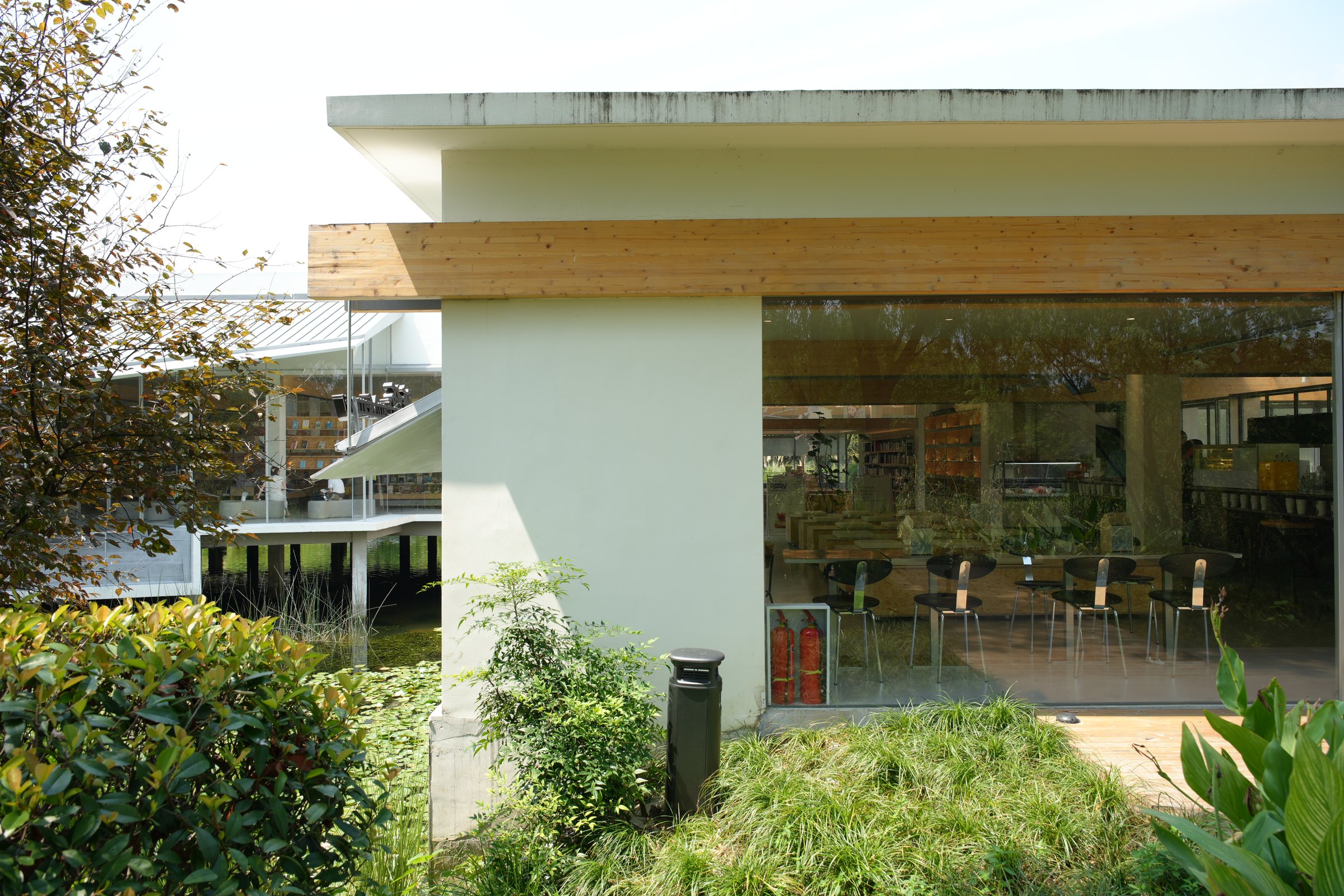
Landscaped Australian properties often combine dense planting, sheltered corners, irrigation or water features with outdoor dining and social areas. Those conditions can create comfortable spaces for people while also providing shade, moisture and resting habitat for mosquitoes.
This installation places Ecotrap-100 at the transition between vegetation and an occupied outdoor zone. The unit remains visible for servicing, but does not compete with the building, garden or furniture.
02 / FIELD VIDEO
See the installation in context.
This short field video documents the Australian installation and its relationship to the surrounding outdoor environment. It is installation evidence, not a laboratory performance test.
03 / PLACEMENT REVIEW
Why this position makes sense.
Close to likely habitat
The unit sits beside established planting and near moisture, rather than in the centre of the entertaining area.
Away from the main gathering zone
Placing a trap away from seating can help draw activity towards the capture area instead of towards guests.
Accessible for servicing
The floor-standing installation remains reachable for inspection and removal of the collection box.
Visually considered
The dark, vertical form sits quietly within the planting and contemporary architecture.
04 / AUSTRALIAN GARDENS
Planning an outdoor mosquito trap position.
Every property is different. Start by observing shaded planting, damp areas, prevailing evening wind and the path between likely mosquito habitat and the spaces people use. Position the unit on a stable surface with clear airflow, accessible power and enough separation from seating or doorways.
Ecotrap-100 has an indicative coverage area of 100–200 m², but actual performance and coverage vary with wind, vegetation, site layout, mosquito pressure, maintenance and continuous operation. Large or complex properties may require more than one unit or a site-specific placement plan.